Discover The Greenery Collection 13 | FREEBIES for Your Projects
When you're working on a digital project, finding the right background can feel like searching for a needle in a haystack. You need something that adds texture and interest without overwhelming your main subject. That's exactly the problem The Greenery Collection 13 | FREEBIES solves. This isn't just another set of generic papers; it's a carefully curated toolkit designed to bring a natural, organic feel to your work with minimal effort.
Understanding the Visual Style and Appeal
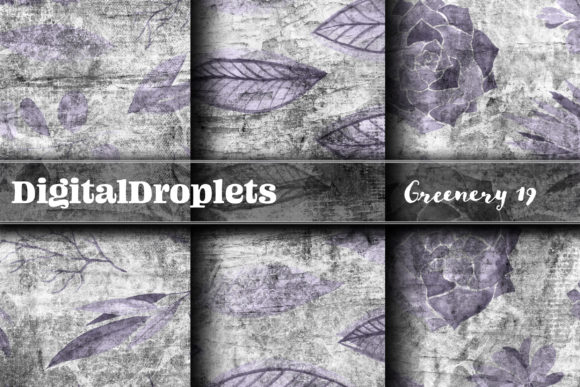
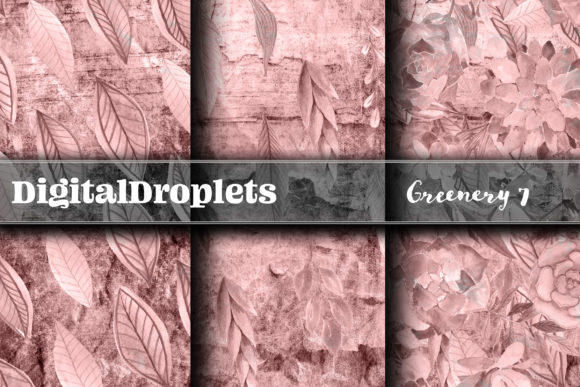
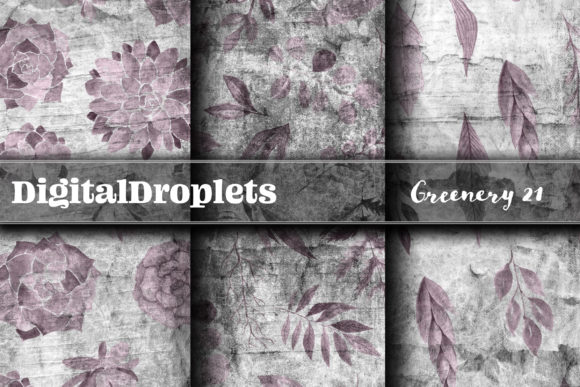
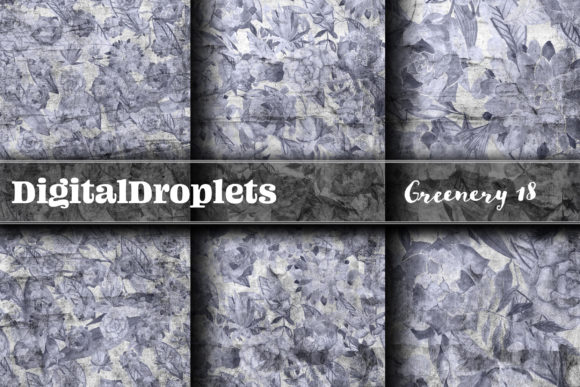
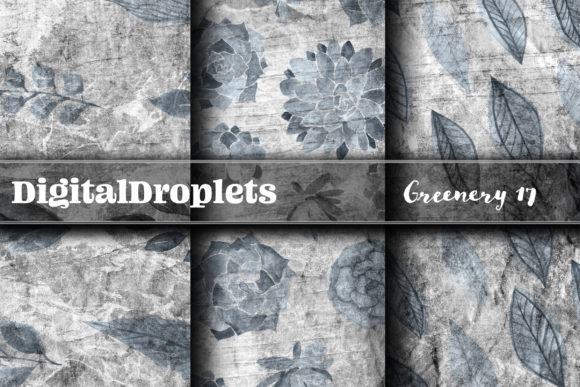
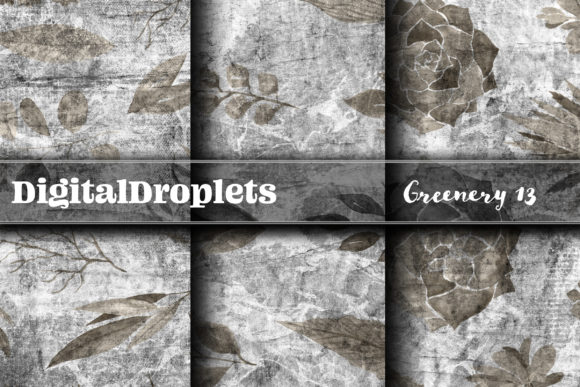
At its core, The Greenery Collection 13 | FREEBIES offers a specific aesthetic: botanical elegance. The three textured backgrounds feature different arrangements of flowers and leaves, creating patterns that are both intricate and balanced. Each paper has its own personality—some might have a denser, more lush arrangement, while others could showcase a more scattered, delicate motif. The color palettes are likely muted and earthy, drawing from nature's own palette of greens, soft whites, and subtle earth tones. This isn't loud, chaotic floral design; it's sophisticated and refined.
The real strength of this set lies in its versatility. The patterns are complex enough to add significant visual depth to a design, yet they maintain a level of neutrality. They act as a supporting actor, not the star. This makes them incredibly useful because they won't clash with your typography, photos, or other key design elements. The included bonus of 16 solid color papers from the broader Greenery Collection is a smart addition. These give you a coordinating foundation, allowing you to build entire projects around a single, cohesive visual language. It’s a practical approach to design assets that saves you time and ensures consistency.
Practical Applications Across Creative Fields
Where does a resource like The Greenery Collection 13 | FREEBIES truly shine? The answer is almost everywhere in the creative and commercial space. For graphic designers and brand strategists, these papers can become the cornerstone of a brand identity for businesses in the wellness, beauty, floral, or boutique hospitality sectors. Imagine using one of these textures as the background for a logo design presentation or within the pages of a brand style guide. It immediately communicates a sense of organic quality and attention to detail.
For marketers and content creators, the applications are equally powerful. Use them as backgrounds for social media graphics, especially for Instagram stories, Pinterest pins, or Facebook posts where visual impact is crucial. They can elevate a simple quote graphic or a promotional announcement. Bloggers and publishers can integrate them into editorial design for feature images, chapter headings, or as a subtle texture behind pull quotes in a digital magazine. The high-resolution 12x12 inch, 300dpi files ensure they look crisp and professional, whether on screen or in print.
The craft and personal project applications are just as compelling. If you're into scrapbooking, junk journaling, or making handmade cards, these digital papers provide an endless supply of beautiful backgrounds. Print them out for packaging design on gift tags or small boxes. Use them digitally to create custom washi tape patterns or planner stickers. The fact that they are free makes them an accessible entry point for hobbyists who want to explore professional-looking design without a significant investment.
Integrating Texture into Your Design Workflow
Simply having a beautiful textured background is one thing; using it effectively is another. The key is to treat The Greenery Collection 13 | FREEBIES as a foundational layer. In a typical design software like Photoshop or Illustrator, you would place one of the JPEG files as your bottom layer. Then, you build your design on top. You might add a semi-transparent white or cream shape to create a clean area for text, ensuring maximum readability. This technique creates a clear visual hierarchy, guiding the viewer's eye to your message while the texture provides depth and context.
When it comes to font pairing, these organic textures work beautifully with clean, modern typefaces. A crisp sans serif font like Montserrat or Lato provides a wonderful contrast, keeping the overall design feeling contemporary and legible. For a more traditional or elegant feel, a classic serif font such as Garamond or Playfair Display can complement the botanical theme. Avoid overly decorative script fonts or complex handwritten fonts for large blocks of body text, as the texture underneath can reduce clarity. Save those for short headlines where style trumps extended readability.
Before committing to a background for a major project, always test it. Place your key elements—logo, text blocks, photos—on top and evaluate the overall composition. Does the texture distract or enhance? Is the color harmony pleasing? Does it support the project's intended message? For a corporate report, you might use a very subtle, desaturated version. For a wedding invitation, a more vibrant, pattern-forward choice could be perfect. The variety within The Greenery Collection 13 | FREEBIES and its accompanying solids gives you the flexibility to experiment and find the perfect fit.
Considering Licensing and Long-Term Use
One of the most critical aspects of using any design asset, especially a free one, is understanding its licensing. Always check the specific terms provided by the creator of The Greenery Collection 13 | FREEBIES. Typically, resources like this are offered for both personal and commercial use, but there may be restrictions. For example, you might not be allowed to redistribute the raw files as-is or sell them as part of a competing product. The goal is to use them as a component within your larger, original design.
Think of these papers as you would any other design asset in your toolkit. They are a starting point, a raw material. Your creativity and application are what transform them into something new and valuable. By integrating them thoughtfully into your projects, you can enhance your work's professionalism, create a stronger emotional connection with your audience, and develop a more consistent and recognizable style across all your communications. It's a small resource that can have a significant impact on your creative output.