Unpacking The Greenery Collection 11: Free Design Assets
In the world of digital design, texture is often the missing layer that separates a flat composition from a professional masterpiece. We spend hours adjusting kerning and leading in our typography, but the canvas beneath the text dictates the entire mood of the piece. This is why high-quality paper textures are invaluable, particularly for designers, scrapbookers, and content creators who need to add depth without cluttering their visual hierarchy. Today, we are looking at a specific set that addresses this need effectively: The Greenery Collection 11 | FREEBIES.
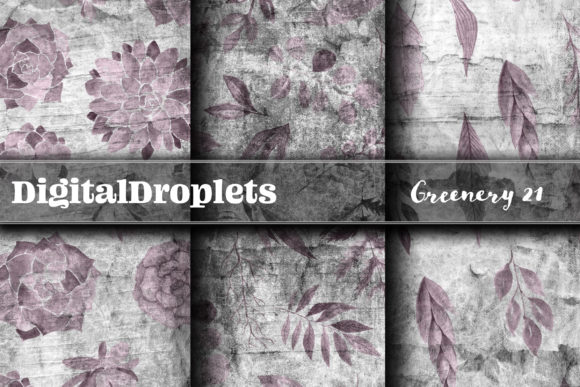
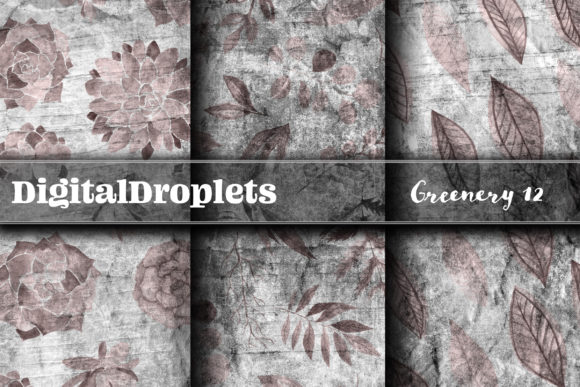
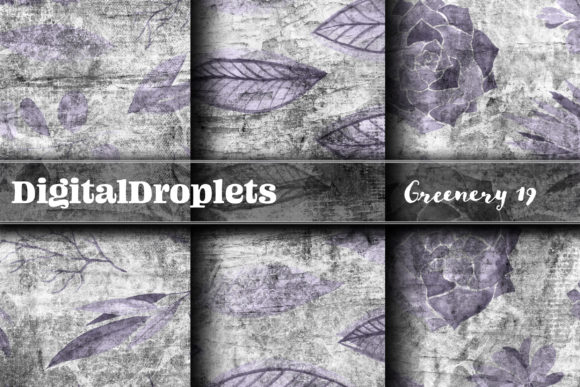
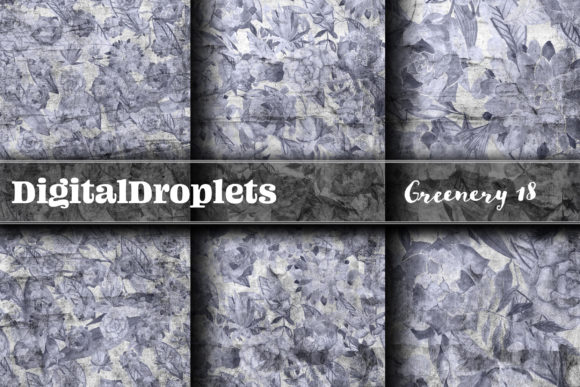
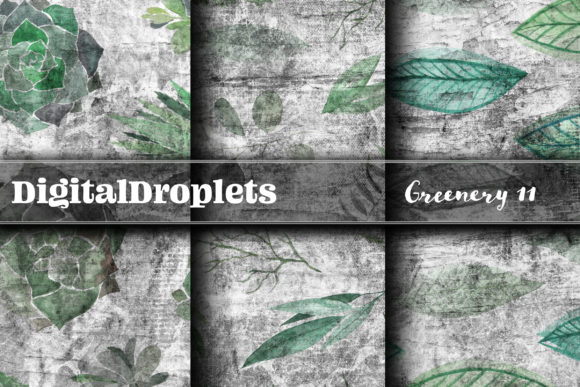
This collection is not just another set of digital noise overlays; it is a curated arrangement of botanical elements designed to serve as foundational backgrounds. The set includes three high-resolution JPEG files, sized at 12x12 inches with a crisp 300dpi resolution. This specification is crucial for anyone working in print production, ensuring that the details remain sharp whether you are creating a small greeting card or a large-scale wall art piece. The visual style is distinctly organic, featuring intricate arrangements of flowers and leaves that vary from paper to paper. It captures a specific aesthetic that feels both vintage and fresh, making it a versatile addition to any designer’s asset library.
The Aesthetic: Organic Texture Meets Digital Precision
Understanding the personality of The Greenery Collection 11 | FREEBIES is key to using it effectively. These are not chaotic, overgrown jungle scenes. Instead, they represent a controlled botanical elegance. The textures feature different flowers and leaves arranged in differing patterns, creating a sense of movement and nature without overwhelming the central content. The "personality" of this collection is soft, natural, and grounding. It lacks the harsh edges of geometric modern typography trends, instead opting for the flowing lines found in nature.
For the designer or brand strategist, this style speaks to authenticity. In an era where audiences crave real-world connection, using a textured background like this signals that a brand is organic, thoughtful, and detail-oriented. The visual characteristics—subtle shadows, natural color palettes, and intricate botanical details—add a layer of sophistication. It is the difference between typing on a blank white screen and writing on a heavy, cotton-fiber stationery. The latter immediately elevates the perceived value of the content.
Strategic Application Across Industries
The utility of this collection extends far beyond personal scrapbooking, though it excels there as well. For the entrepreneur or small business owner, these assets solve several branding and marketing challenges. Consider the visual hierarchy of a social media graphic. You need the text to pop, but a stark white background can feel clinical. By utilizing The Greenery Collection 11 | FREEBIES as a base, you soften the digital experience, making it more inviting for the viewer.
Here is how this collection translates across various sectors:
- Editorial and Publishing Design: For bloggers and publishers, these textures work exceptionally well behind pull quotes or sidebars. The organic nature of the leaves provides a contrast to the rigid structure of serif or sans-serif body copy, helping to break up long blocks of text and improve readability.
- Logo Design and Brand Identity: While you wouldn't use a busy floral texture as a logo, it is an excellent supporting asset. It can be used for business card backings, letterhead backgrounds, or brand pattern libraries. It adds a layer of depth to brand identity systems that flat colors cannot achieve.
- Marketing and Packaging: If you are selling physical goods, particularly in the wellness, beauty, or artisanal food sectors, these textures mimic the look of high-end packaging design. They can be used to create mockups that feel tactile and real, or printed directly onto labels and gift wrap.
- Digital and Web Design: In web design, heavy textures can slow down load times, but these high-res files can be optimized or cropped to create subtle website headers or background tiles that add warmth to a user interface.
Practical Integration: Pairing and Composition
Using a complex background requires a thoughtful approach to typography and layout. The primary challenge with textured backgrounds is maintaining legibility. Because The Greenery Collection 11 | FREEBIES features intricate floral patterns, placing text directly over the busiest parts of the image can result in a cluttered look.
As a creative professional, I recommend treating these backgrounds as "supporting actors" rather than the main character. To ensure your message is heard, use these practical design tactics:
- Use Contrast and Opacity: Don't be afraid to lower the opacity of the background layer to around 30-50%. This preserves the texture while ensuring that your foreground text—whether it is a bold display font or a delicate script font—remains the focal point.
- Implement "Knockout" Shapes: Place a solid shape (like a white or cream circle or rectangle) over the center of the texture and place your text there. This creates a safe zone for readability while allowing the botanical edges to frame your content.
- Font Pairing Strategy: Because the background is organic and floral, your typography should provide structure. I suggest pairing these textures with clean, modern sans-serif fonts for body copy to create a balanced aesthetic. Conversely, if you are going for a vintage scrapbook feel, a classic serif font works beautifully. Avoid overly decorative handwritten fonts on top of these patterns, as the competing lines will make the text difficult to read.
Maximizing Value: The Bonus Assets
One of the most practical aspects of The Greenery Collection 11 | FREEBIES is the inclusion of the 16 bonus papers mentioned in the description. These papers have no patterns on them. At first glance, these might seem secondary, but for a designer, they are essential.
When you are building a layout, you often need a color-matched solid background to place next to a textured one. These bonus papers ensure color consistency across your project. For example, if you are creating a set of junk journal pages, you can alternate between the floral textured pages and the solid color pages. This creates a visual rhythm that is pleasing to the eye. It allows you to maintain a cohesive brand identity without hunting for a hex code that matches the hue of the flowers in the main texture.
Commercial Viability and Licensing
For the entrepreneur, the usability of a free asset often comes down to licensing. While specific terms should always be reviewed upon download, free design assets like these are often intended for both personal and commercial use, which is a massive advantage for small business owners looking to bootstrap their marketing materials.
Using premium-looking assets elevates your brand perception. When a potential client sees a social media post or a flyer that uses high-quality textures, they subconsciously associate that quality with your service or product. The Greenery Collection 11 | FREEBIES allows you to achieve that "premium font" and high-end design look without the overhead cost of purchasing expensive stock photography.
Final Thoughts on Versatility
The true strength of The Greenery Collection 11 | FREEBIES lies in its adaptability. It is rare to find a set that works equally well for a Christmas card, a wedding invitation, a corporate blog header, and a scrapbook page. The botanical theme is universal; it speaks to growth, nature, and beauty, which are concepts that resonate across almost every audience demographic.
Whether you are a photographer looking for a textured backdrop for your portfolio, a crafter building a junk journal, or a marketer designing a seasonal campaign, this collection offers a solid foundation. It provides the visual interest of complex design assets while maintaining the simplicity required for professional, readable layouts. By integrating these textures thoughtfully, you can transform flat digital projects into engaging, tactile experiences.