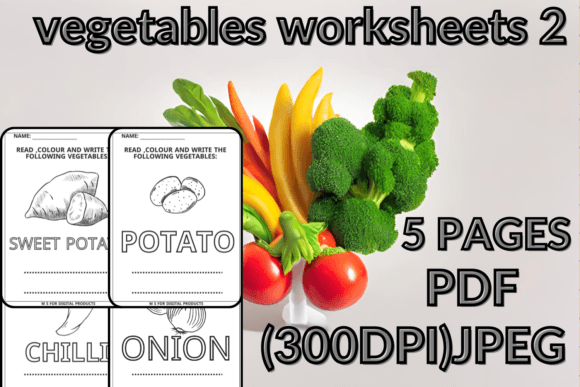
Vegetables Worksheets 2 Freebies: A Design-Driven Teaching Tool
In the realm of educational graphic design, the most effective tools marry clear information with compelling visual engagement. The Vegetables Worksheets 2 Freebies pack exemplifies this principle, offering a meticulously crafted resource that transcends simple activity pages. It serves as a valuable case study in how thoughtful design can transform learning materials into powerful assets for both educators and brands focused on family or wellness.
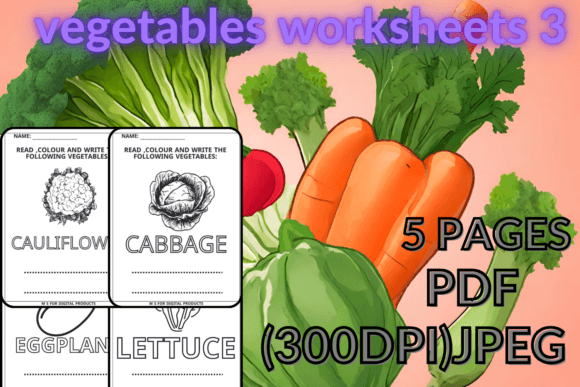
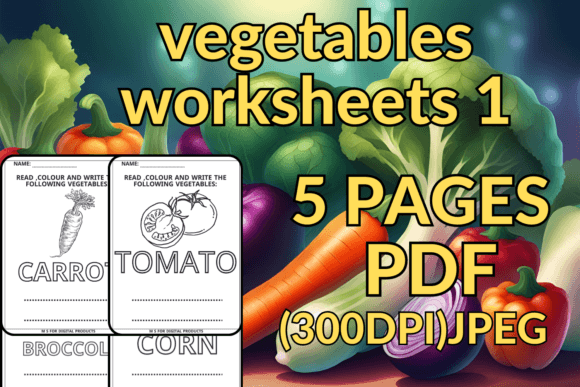
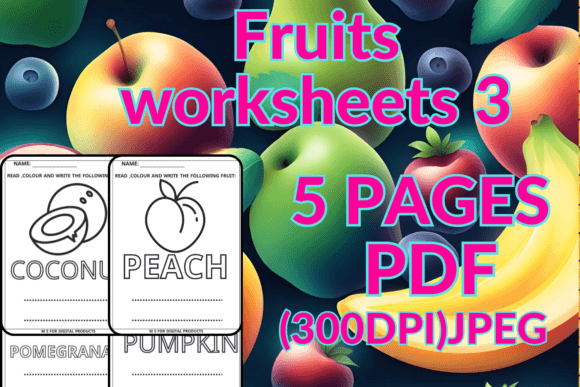
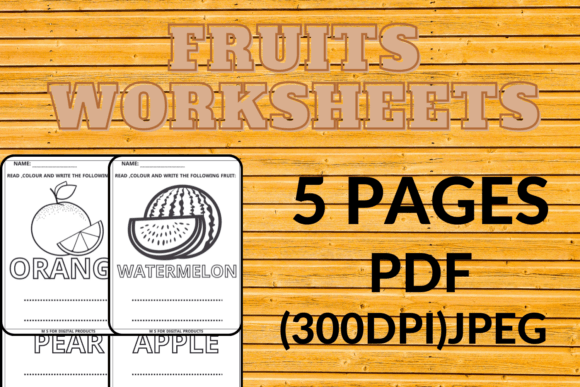
This vegetables worksheets pack is more than a collection of pages; it's a designed experience. The inclusion of high-resolution JPEGs (300 DPI) and PDFs within the ZIP file ensures professional-grade print quality and versatile digital application. Each of the five pages demonstrates core design principles—visual hierarchy, clear typography, and intentional color palettes—that guide a child's eye and enhance comprehension. For designers and creators, this resource offers a practical template for developing engaging educational content.
Practical Applications Beyond the Classroom
While designed for teaching children about different types of vegetables, the aesthetic and structure of these worksheets have broader implications for creative projects. Consider their potential in:
- Brand Identity & Marketing: A health food brand, a farm-to-table restaurant, or a children's nutrition service can adapt the playful yet clean visual style for social media graphics, in-store activity sheets, or promotional mailers, strengthening brand identity through consistent, joyful imagery.
- Editorial & Packaging Design: The illustrative style and layout can inspire menu designs, recipe booklet layouts, or packaging inserts that educate consumers about ingredients, adding value and enhancing the unboxing experience.
- Digital Content Creation: The high-quality JPEGs are perfect for creating engaging Instagram stories, Pinterest pins, or website banners that communicate healthy eating messages with a friendly, approachable aesthetic.
Design Principles in Action
Analyzing the worksheets reveals key takeaways for any designer. The use of a limited, vibrant color palette creates visual cohesion without overwhelming young learners. The typography, likely a rounded, sans-serif font, prioritizes readability—a crucial consideration in UX design for all ages. Furthermore, the composition balances imagery with interactive elements (like tracing or matching), establishing a clear visual hierarchy that is essential for effective user interface design.
Tips for Integrating Such Assets
When incorporating pre-designed assets like these into your workflow, consider the following to ensure they elevate your project:
- Ensure Consistency: Adapt the color palette and font styles to align with your existing brand system. Even a free resource can feel custom when integrated thoughtfully.
- Assess Scalability: The provided 300 DPI files are ideal for print. For digital use, optimize file sizes without sacrificing clarity to maintain fast load times on websites and apps.
- Evaluate Audience Fit: The modern, cheerful aesthetic is perfect for family and education-focused brands. It communicates care, quality, and accessibility—key components of a strong brand identity.
Ultimately, the value of a resource like the Vegetables Worksheets 2 Freebies lies in its dual function: it is immediately useful for its stated purpose while also serving as a springboard for creative inspiration. In a digital landscape saturated with content, leveraging well-designed assets allows marketers, educators, and designers to produce polished, professional materials that resonate emotionally and communicate effectively, proving that great design is always at the heart of meaningful connection.